https://pagead2.googlesyndication.com/pagead/js/adsbygoogle.js?client=ca-pub-9741920406541753 <!-- cup coffee --> <ins class="adsbygoogle" style="display:block" data-ad-client="ca-pub-9741920406541753" data-ad-slot="6300533788" data-ad-format="auto" data-full-width-responsive="true"></ins> <script> (adsbygoogle = window.adsbygoogle || []).push({}); </script>
Cell Wall and Cell Membrane
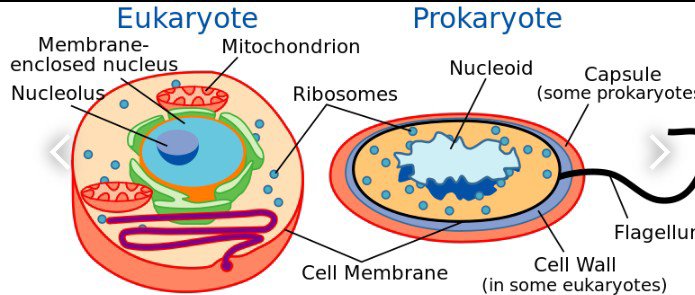
A cell is the structural and functional working unit of life and also been described as building blocks and fundamental unit of life. The term cell was coined by an English scientist R.Hooke in the year 1665. The shape and size of the cells vary according to their functions and structures . There are different types of cells and can be differentiated based on the presence and absence of few cell organelles and its habitats.
Table of Contents:
- Cell Wall and diagram
- Cell Membrane – Diagram
- Difference between Cell Wall and Cell Membrane
- Conclusion
- Important Questions for Cell Wall and Cell Membrane
Cell Wall
The cell wall is present only in plants, fungi and bacteria. The image above represents a plant cell wall
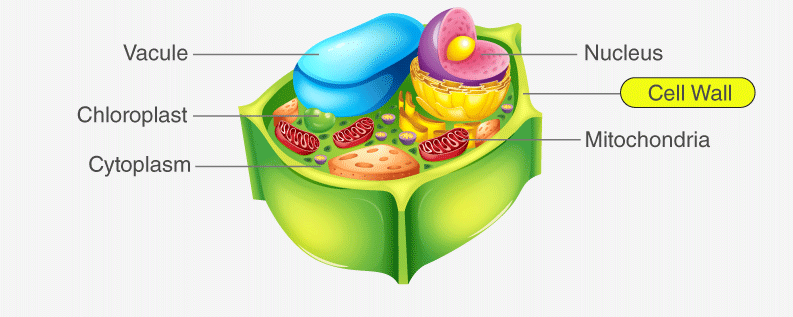
The cell wall is the outermost layer of plant cells. The cell wall is present in the plants and in some fungi, bacteria and algae.
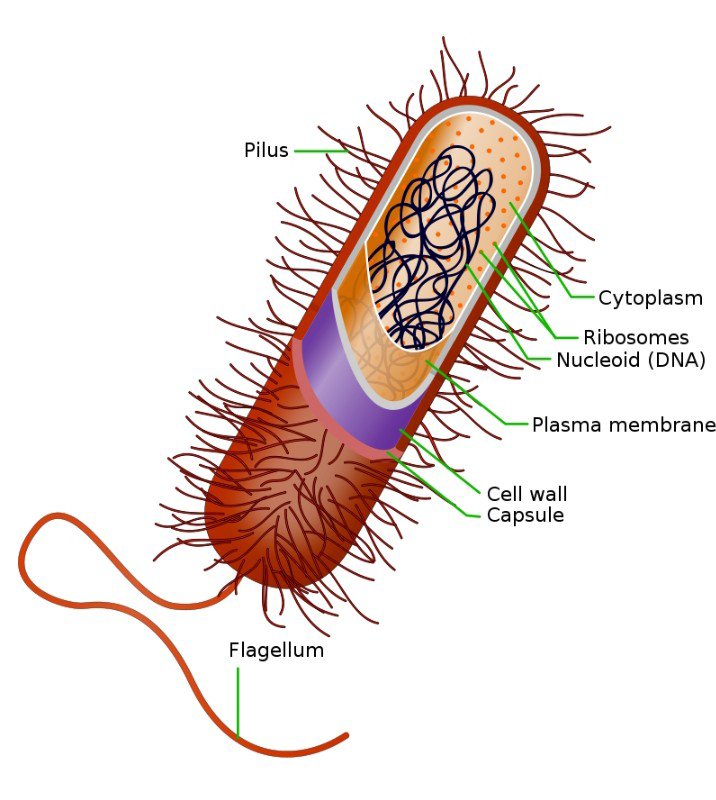
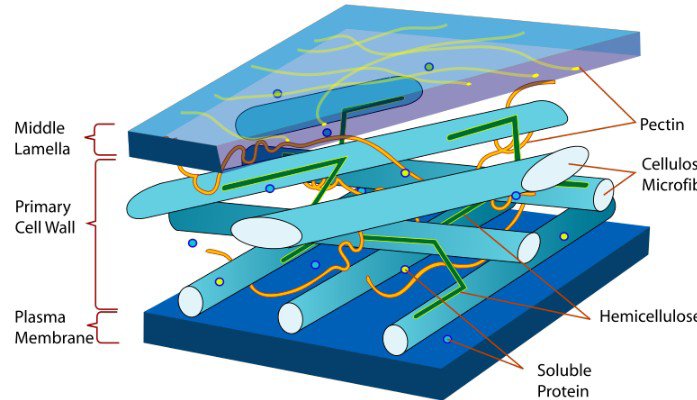
It is present outside the cell membrane and is tough, flexible and sometimes rigid in its structure. It is mainly composed of cellulose, long fibres of carbohydrates including hemicellulose, lignin,waxes,silica,cutin,inorganic salts and pectin.
The main functions of the cell wall are:
- cell wall protecting the cell against physical damage and invading pathogens.
- Cell wall controls and regulates the direction of the cell growth and development
- Cell wall providing the structural support and maintaining the shape of the cell.
- Cell wall functions as a storage unit by storing carbohydrates for use in plant growth, especially in seeds.
- Cell wall allows entry of smaller molecules through it freely.
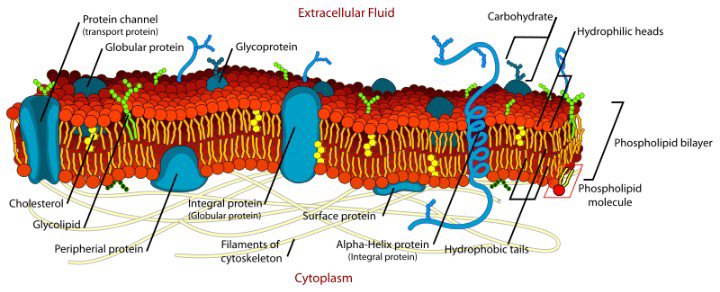
Cell Membrane – Diagram
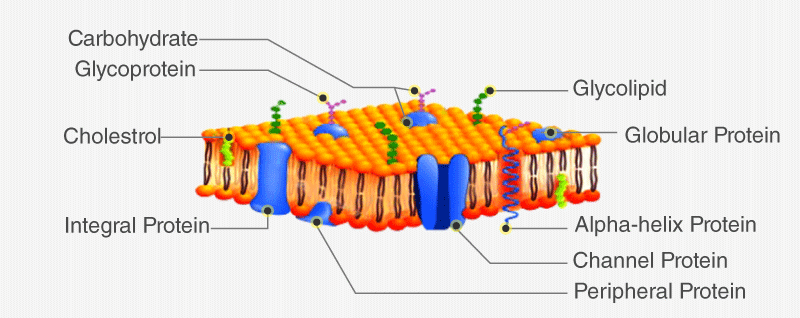
Cell Membrane is present in all organisms including plants
The cell membrane is also known as the plasma membrane. It is the outermost covering of animal cells.
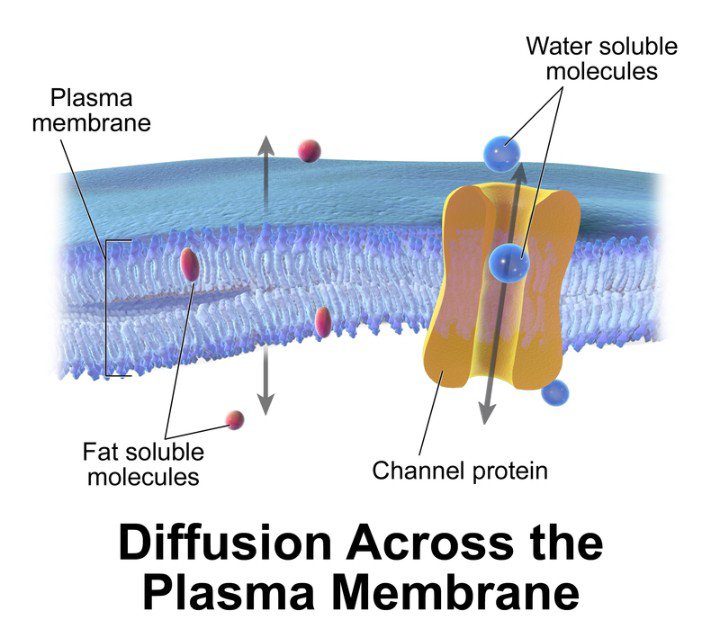
It is a semi-permeable membrane composed of lipids and proteins. The plasma membrane forms the boundary between the outer environment and living systems. The plasma membrane controls both the entry and exit of both solute and solvent between the cell and the environment. With regards to permeability characteristics, a plasma membrane can be semi-permeable, impermeable, permeable and selectively permeable in nature. The main functions of the plasma membrane or cell membrane include:
- Protecting the integrity of the interior cell.
- Providing support and maintaining the shape of the cell.
- Helps in regulating cell growth through the balance of endocytosis and exocytosis.
- The cell membrane also plays an important role in cell signalling and communication.
- It acts as a selectively permeable membrane by allowing the entry of only selected substances into the cell.
Difference between Cell Wall and Cell Membrane
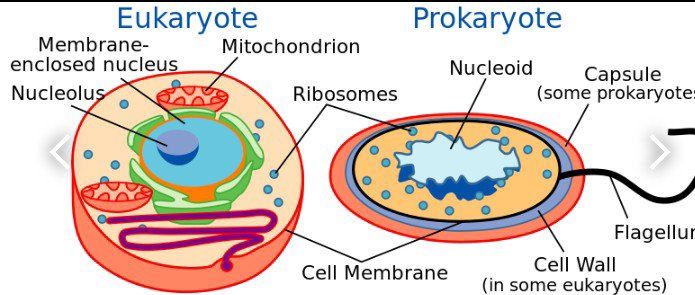
One of the fundamental differences between the plasma membrane and the cell wall is in the type of organisms that they are found. The cell wall is present only in plants and the cell membrane is present in every living organism including plants.CELL WALL
CELL MEMBRANEPresent only in plants and in some fungi, bacteria, algae.Present in all types of cells, in humans, animals, plants, bacteria, etc.It is the outermost part of the plant cellIt is the outermost covering the animal cellsIt is made up of pectin, chitin, lignin, glycoproteins, glycolipids, sugar, and cellulose.It is a lipid bilayer. And is composed of lipoproteins and carbohydrates.The cell wall is 0.1 μm to several μm in thickness.The cell membrane is 7.5–10 nm in thickness.It is the thick and rigid structure.It is a thin and delicate structure. It is flexible to change the shape as needed.It protects the cell from the external environment.It maintains the internal environment of the cell.The cell wall is metabolically inactive.The cell membrane is metabolically active.The cell wall grows in thickness over time. Furthermore, it occupies the whole cell in the plant as the cell ages and dies.It is of the same thickness for the lifetime of the organism.The cell wall is fully permeable to smaller particles and molecules with the size of 30-60 kDa.
The membrane is selectively permeable and controls the movement of the substance into and outside enviroment of the cell.Its functions are to include protection from the external environment.Functions include permeability, signal reception, motility conduction, cell division, sexual reproduction etc.
Also Read: Difference Between Plant cell and Animal cell
Conclusion
The cell wall and cell membrane are two layers that are an important part of cells of living organisms like plants. However, the former is found only in plants, fungi and in some bacteria. A cell well is defined as the layer of polysaccharides that exists outside the plasma membrane. It is rigid and serves supportive functions. On the other hand, the cell wall in fungi is made from another material called chitin which is also found in the exoskeletons of arthropods.
The cell membrane is present in all living organisms including plants. It is the outermost layer of the cell in animals and encloses all other cellular organelles within. Unlike the cell wall, the cell membrane gives its shape to the cells of animals can be changed as needed. Also, it is metabolically active,having charged pores and has selective permeability.
Important Questions for Cell Wall and Cell Membrane
1. What is the main function of the cell wall?
The cell wall is the outermost layer in a plant cell. It provides structural support and rigidity for the plant body.It gives the definite shape to the plant cell.
2. What is the function of the cell membrane?
Unlike the cell wall, the cell membrane is present in the all living organisms, including plants. The main role of the cell membrane is to provide protection to the cell from its surrounding environment. The cell membrane or plasma membrane controls the passage of some solutes and water into and out environment of the cell.
3. Are cell walls and cell membranes the same thing?
Cell walls are distinctly different from cell membranes. For instance, the cell wall is present only in fungi,plants and some bacteria. The cell membrane, on the other hand, is present in all the living organisms including plants.
4. What is the role of the plasma membrane?
The cell membrane is also called the plasma membrane. It provides protection for the cell and its cellular components from the external environment. It is selectively permeable and regulates the movement of molecules in and out environment of the cell.
5. What is the primary component of the cell wall?
The primary component of the cell wall varies with different organisms like eukaryotes and prokaryotes. In the plant cells, cellulose is the primary component of the cell wall, in bacteria as prokaryotes the primary component of the cell wall is peptidoglycan and in fungi the primary component of the cell wall is chitin.
6.Give one basic difference between cell wall and cell membrane?
One basic difference between the cell wall and cell membrane can be on the basis of receptors. Furthermore, the cell wall lacks receptors whereas the cell membrane has receptors that facilitate the communication with external environment cell communication.
References
- ^ Jump up to:a b Romaniuk JA, Cegelski L (October 2015). “Bacterial cell wall composition and the influence of antibiotics by cell-wall and whole-cell NMR”. Philosophical Transactions of the Royal Society of London. Series B, Biological Sciences. 370 (1679): 20150024. doi:10.1098/rstb.2015.0024. PMC 4632600. PMID 26370936.
- ^ Rutledge RD, Wright DW (2013). “Biomineralization: Peptide-Mediated Synthesis of Materials”. In Lukehart CM, Scott RA (eds.). Nanomaterials: Inorganic and Bioinorganic Perspectives. EIC Books. Wiley. ISBN 978-1-118-62522-4. Retrieved 2016-03-14.
- ^ Hooke R (1665). Martyn J, Allestry J (eds.). Micrographia: or, Some physiological descriptions of minute bodies made by magnifying glasses. London.
- ^ Jump up to:a b Sattelmacher B (2000). “The apoplast and its significance for plant mineral nutrition”. New Phytologist. 149 (2): 167–192. doi:10.1046/j.1469-8137.2001.00034.x. PMID 33874640.
- ^ Link HF (1807). Grundlehren der anatomie und physiologie der pflanzen. Danckwerts.
- ^ Baker JR (June 1952). “The Cell-Theory: A Restatement, History, and Critique: Part III. The Cell as a Morphological Unit”. Journal of Cell Science. 3 (22): 157–90. doi:10.1242/jcs.s3-93.22.157.
- ^ Sharp LW (1921). Introduction To Cytology. New York: McGraw Hill. p. 25.
- ^ Münch E (1930). Die Stoffbewegungen in der Pflanze. Jena: Verlag von Gustav Fischer.
- ^ Roberts K (October 1994). “The plant extracellular matrix: in a new expansive mood”. Current Opinion in Cell Biology. 6 (5): 688–94. doi:10.1016/0955-0674(89)90074-4. PMID 7833049.
- ^ Evert RF (2006). Esau’s Plant Anatomy: Meristems, Cells, and Tissues of the Plant Body: Their Structure, Function, and Development (3rd ed.). Hoboken, New Jersey: John Wiley & Sons, Inc. pp. 65–66. ISBN 978-0-470-04737-8.
https://pagead2.googlesyndication.com/pagead/js/adsbygoogle.js?client=ca-pub-9741920406541753
 Learning the sciences with new angle.